Digital Rights6 min read
Nigeria is considering social media age limits for children. Why restriction alone may not be enough
As Nigeria considers this step, lessons from other countries suggest that age restrictions alone rarely function as a complete solution. Instead, they tend to work best when embedded within broader child online safety strategies that combine platform regulation, digital literacy education, institutional safeguarding...
By HerSafeSpace Editorial
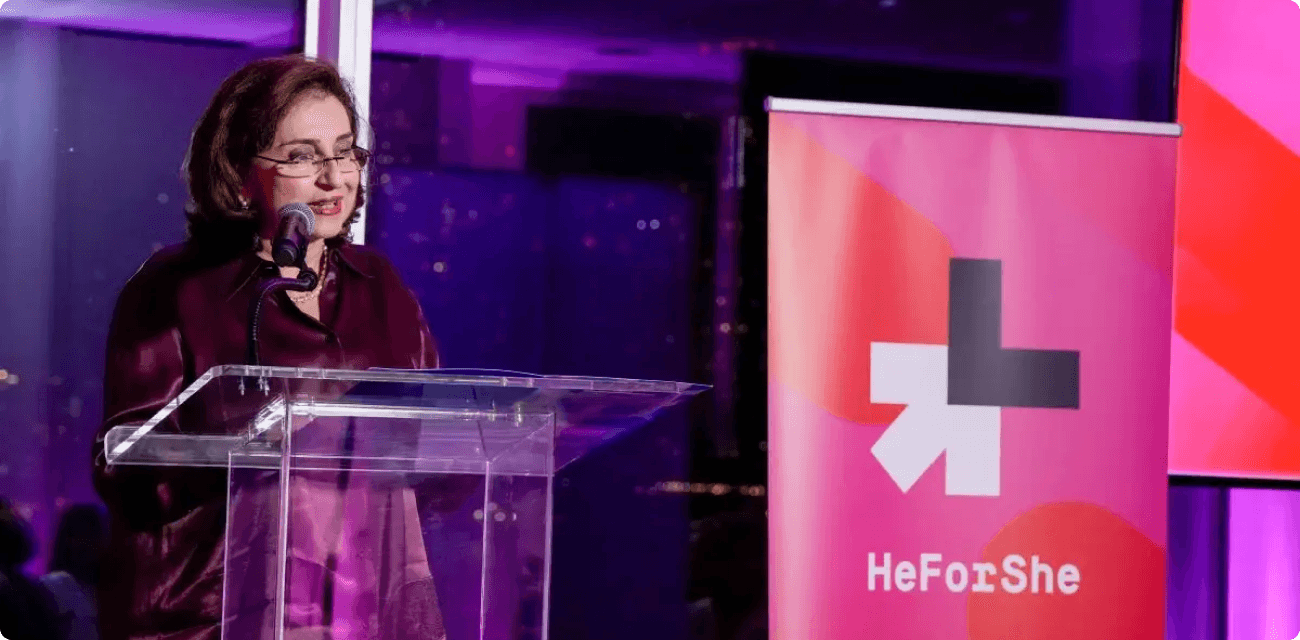
Online misogyny has become one of the defining safety challenges of the digital age. Women and girls report harassment, abuse and discrimination across the platforms they use every day, and young users are often the least equipped to respond.
Proposals to set a minimum age for social media accounts are gaining attention in Nigeria. Supporters argue that keeping younger children off these platforms reduces their exposure to harmful content and contact. Critics point out that determined users can bypass age checks, and that restrictions can push young people towards less regulated spaces.
Experience from other countries suggests that age limits work best as one part of a wider approach. Platform accountability, clear reporting pathways, digital literacy in schools and support for parents and teachers all shape whether a policy actually makes children safer.
It also matters who is included in the conversation. Survivors, young people, educators and civil society organizations bring perspectives that policy discussions can miss, especially on how technology-facilitated abuse targets girls differently.
For families, the practical steps remain the same whatever the policy outcome: talk openly about online experiences, review privacy settings together, and make sure young people know where to go when something feels wrong.
HerSafeSpace will continue to follow the debate and share guidance as it develops. If you or someone you know is experiencing online abuse, Kemi is available to talk through your options confidentially.